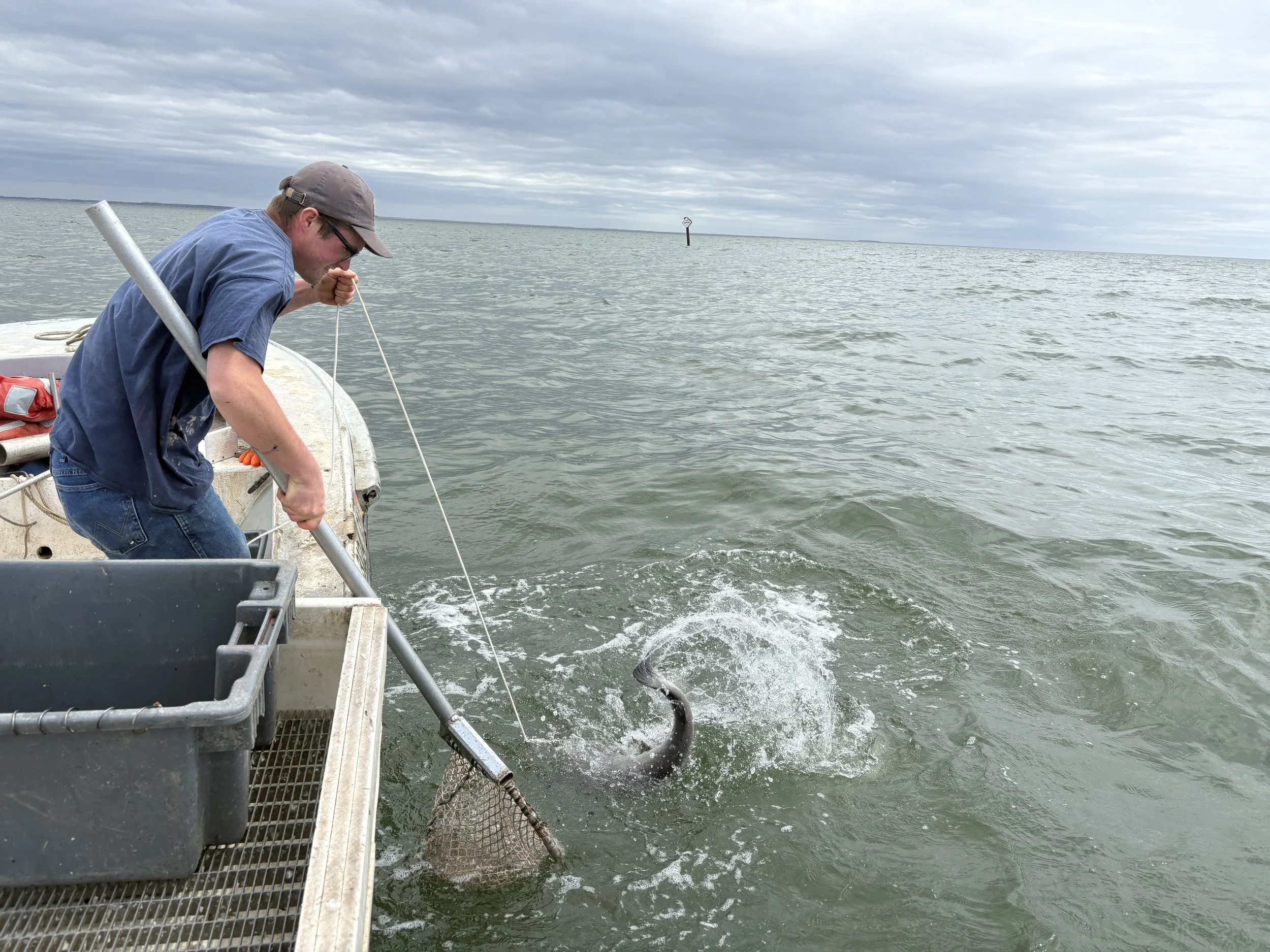
The only way to beat em’ is to eat em’
The Chesapeake bay is the largest estuary in the USA, and it has a problem. A hungry problem at best. We have invasive species that have infiltrated our waters. These intruders have displaced river ecosystems, displaced native prey species, and are in direct competition with native predatory species. So were here to help.
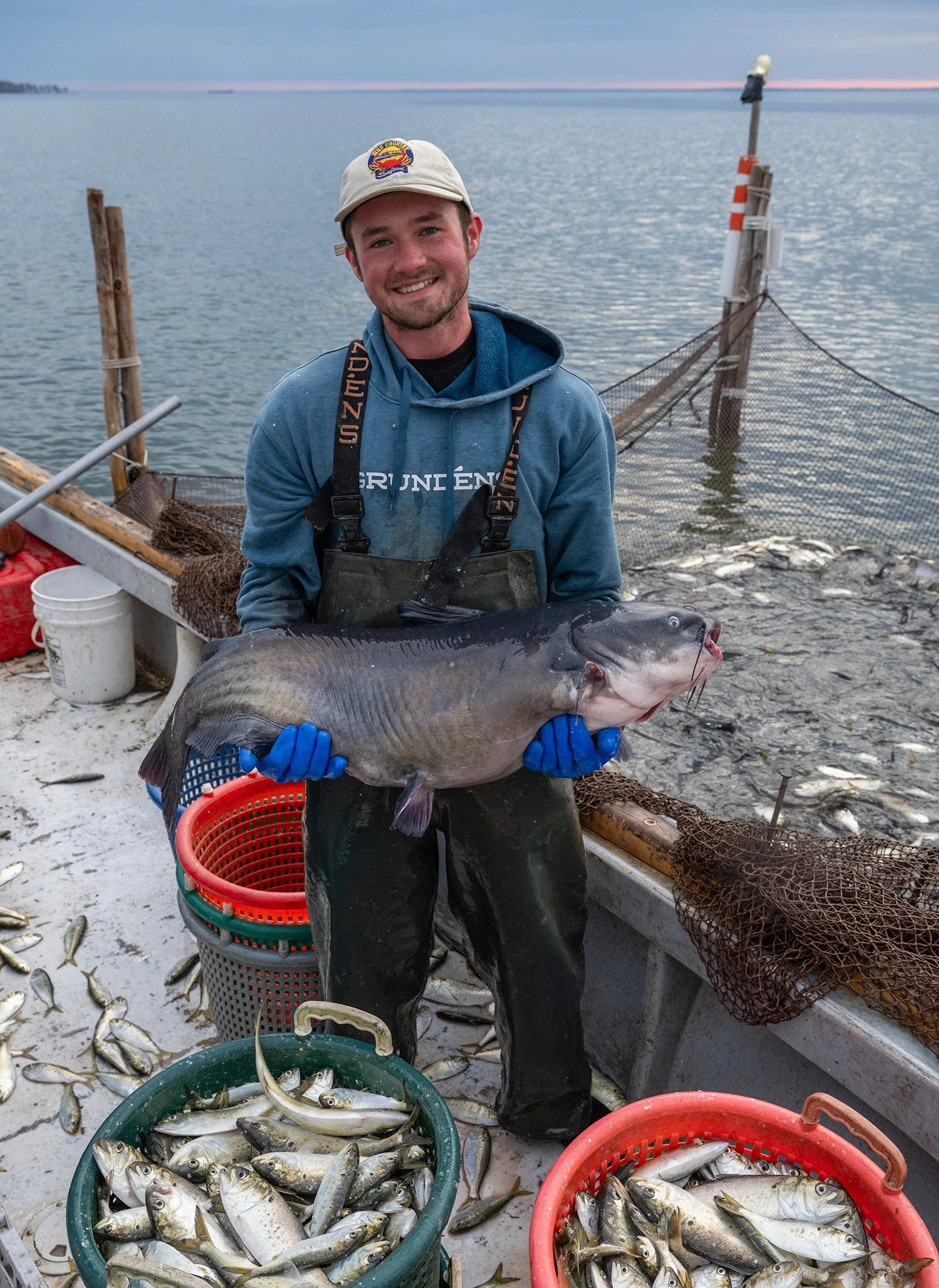
At wild country seafood, we target and sell two invaders: the blue catfish, and the northern snakehead. They may not be the prettiest fish, but they are delicious. And thats where you, the consumer comes in: The only way to beat em’, is to eat em’.
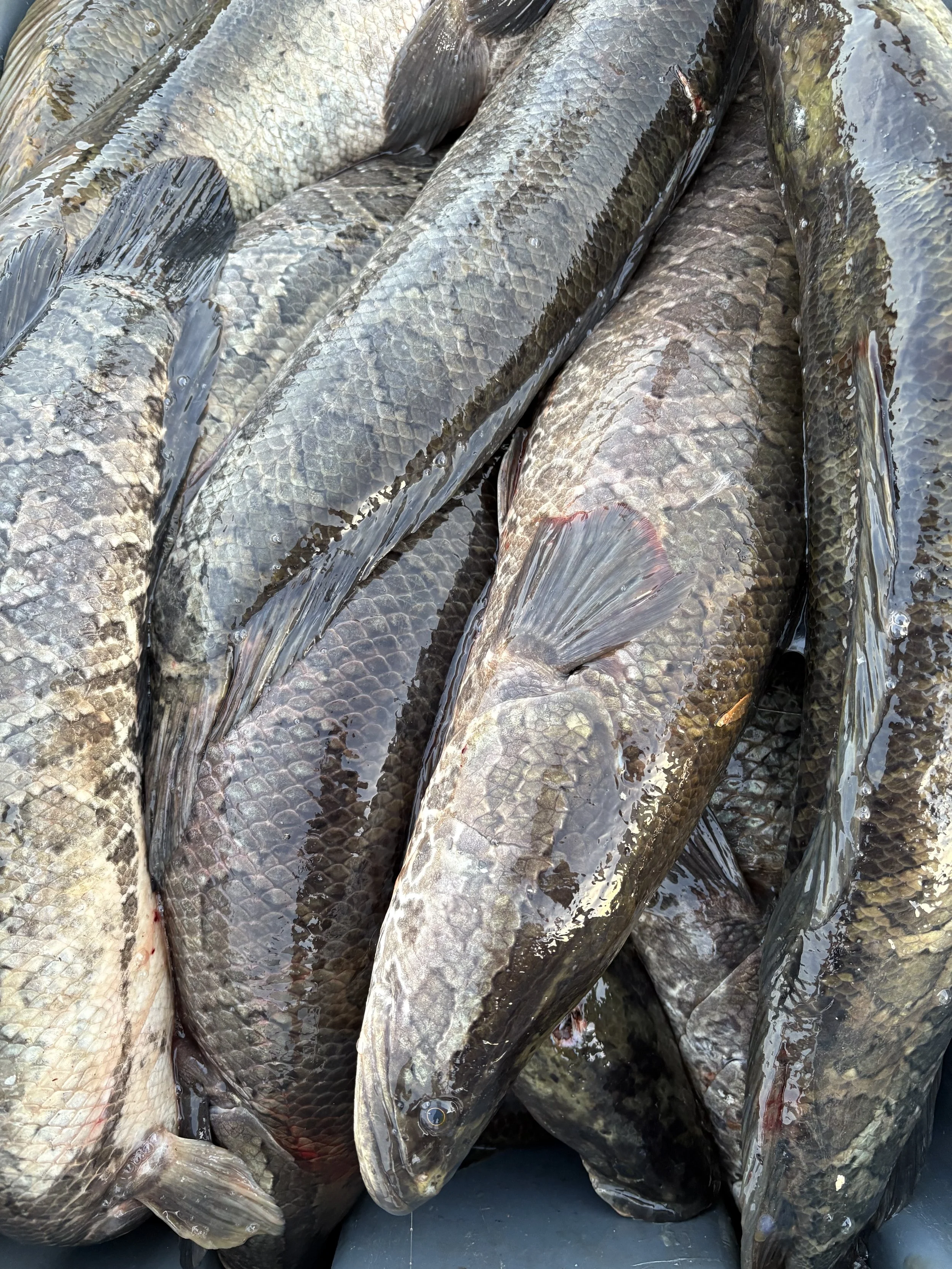
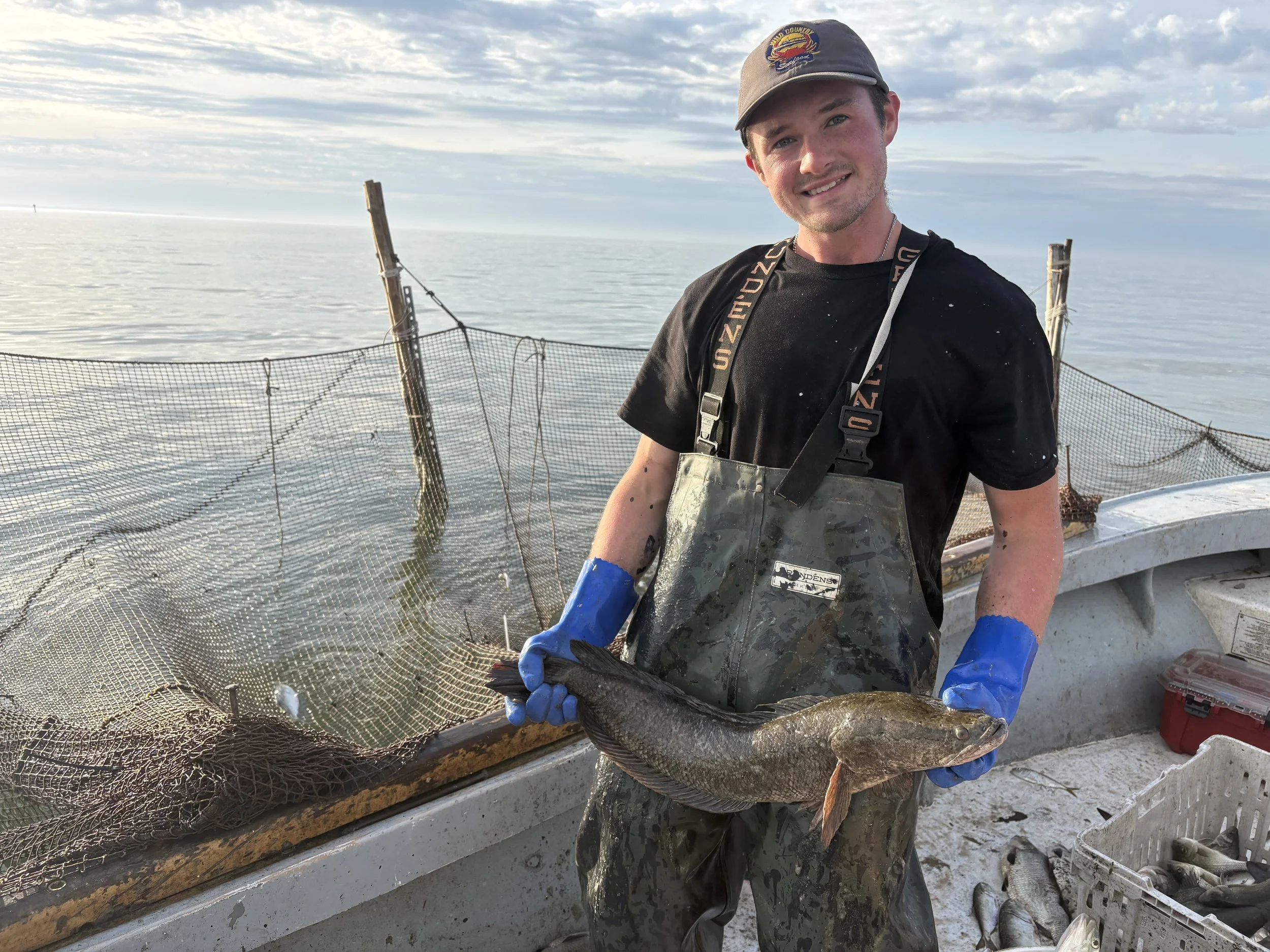
Northern Snakehead
Also known as Chesapeake Channa, the northern snakehead is a formidable predator. Native to eastern asia, this fish has travelled far to reach our waters. This fish has a specialized skill set in hunting, being able to survive in low oxygenated waters, powerful muscular jaws, and boasting a wide palette for prey species, makes this fish a major issue in our river and wetland systems. But luckily its very delicious, boasting lean white meat, this fish may have the bite, but so do we.
.